





If sewage is coming up through a drain or toilet in your Denver home, stop using all water, keep everyone out of the affected area, including pets, and do not touch the wastewater. Turn off power to that area only if you can reach a dry breaker panel without stepping in sewage. Then call a licensed restoration company. Water Damage Inc. is available 24/7 for emergency sewage cleanup at (720) 743-5781.
Why a Sewage Backup Is Not Like Ordinary Water Damage
A sewage backup is not like ordinary water damage because raw sewage carries bacteria, viruses, and parasites. Exposure can come from touching it, breathing near it, or handling anything it has reached. Sewage that reaches outlets, cords, or the electrical panel also creates a shock risk.
Wastewater does not stay where you can see it. It contaminates every surface it touches and can spread into flooring, walls, and other hard-to-see areas.
That is why sewage cleanup should not be handled by untrained people. A small leak from a clean supply line is often something you can mop up. A sewage backup needs a trained, equipped crew and safe disposal of anything that cannot be cleaned.
What to Do Right Now
Do these six things right now, in this order.
- Stop all water use. Do not flush toilets, run faucets, shower, or start the dishwasher or washing machine. Any water you send down a drain can add to the backup.
- Keep people and pets out. Close doors to the affected rooms if you can without walking through wastewater.
- Avoid contact with the sewage. Do not walk through it, touch it, or move soaked belongings. If it gets on your skin, wash with soap and clean water.
- Turn off power only if it is safe. If the breaker panel is dry and you can reach it without stepping in sewage, switch off the affected circuits. Otherwise, leave it and tell the crew when you call.
- Open windows only if the area is safe to enter. Fresh air helps with the odor, but do not cross wastewater to reach a window.
- Call for help. Call a licensed restoration company for the cleanup and a plumber for the cause. Water Damage Inc. takes calls 24/7 at (720) 743-5781.
What Not to Do
Avoid these seven mistakes while you wait for help.
- Do not pour chemical drain cleaners down the drain. They can damage pipes and add harsh chemicals to wastewater that someone will have to handle.
- Do not plunge several fixtures. Plunging one drain can push sewage up through another.
- Do not take plumbing apart. Removing a trap or a cleanout cap on a backed-up line can release more sewage into your home.
- Do not step into standing water. It may be contaminated, and it may be in contact with live electrical outlets or cords.
- Do not use a household vacuum or shop vacuum on sewage. It spreads contamination through the machine, and plug-in equipment in a wet area adds a shock risk.
- Do not pour bleach on standing sewage or mix cleaning products. Some combinations, such as bleach and ammonia, release toxic fumes.
- Do not wait for it to clear on its own. A backup that drains away can return, and the sewage already in your home keeps soaking in.
Document the Damage Before Anyone Touches It
Document the damage with photos and video before cleanup starts, but only from where you can stand without touching wastewater. Your insurer will want to see the damage as it was.
- Wide shots of each affected room and close-ups of the drain or fixture where sewage came up
- The water line on walls, cabinets and furniture
- Damaged belongings, including labels on appliances and electronics
- The date and time you first noticed the backup
Keep a written list of affected items and every call you make. Water Damage Inc. works directly with insurance companies, and a clear record helps your claim.
Who to Call and In What Order
Call four parties, in this order: a restoration company, a plumber, your insurance company and your sewer utility.
- A restoration company. The crew removes and cleans up the sewage already in your home. Call Water Damage Inc. at (720) 743-5781.
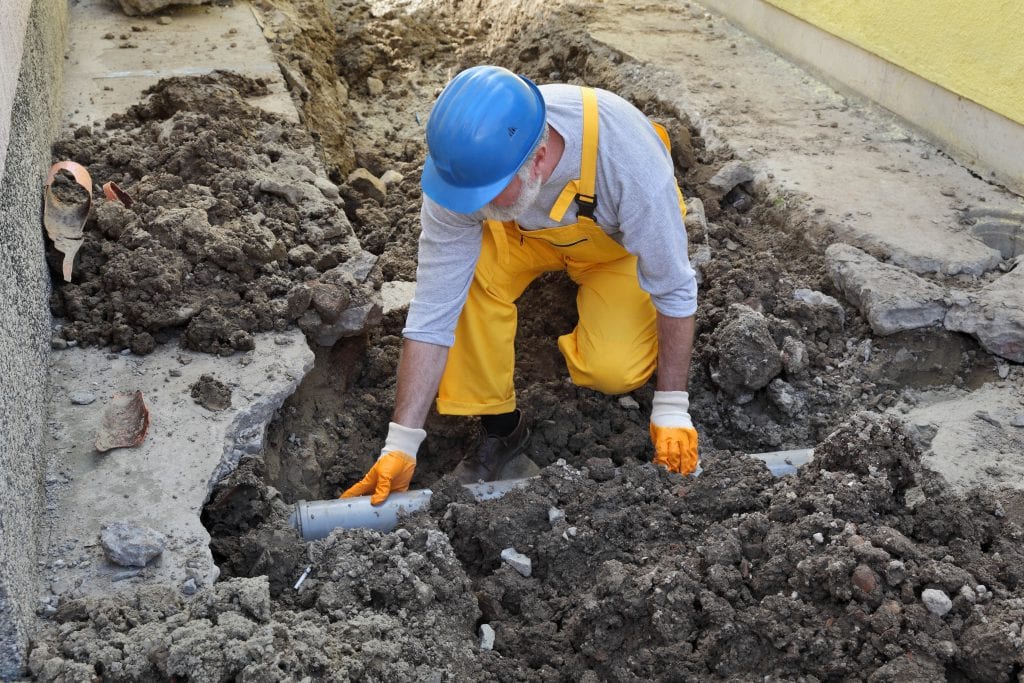
- A licensed plumber. The plumber finds and clears the cause of the backup in your pipes or sewer line. Cleanup and the plumbing repair are separate jobs, and you may need both.
- Your insurance company. Report the backup, ask whether your policy includes sewer backup coverage, and ask how they want the damage documented.
- Your sewer utility. Inside the City and County of Denver, the Wastewater Management Division asks residents to report a sewer backup right away at (303) 446-3400, its 24-hour emergency line. This matters most if neighbors have the same problem. Outside Denver, call your own city or sanitation district.
Is the Backup Coming From Your Line or the City Main
A backup that affects only your home usually starts in your own line, while one that affects neighbors can point to the public sewer main. These signs help narrow it down.
- One fixture backing up usually means a clog in that fixture’s drain.
- Several fixtures backing up, often a basement floor drain or lower-level toilet, points to your main drain or the service line to the street.
- Neighbors with the same problem can point to the city main.
- Intermittent flow usually points to your service line, while a steady flow can point to the main, according to Colorado utility guidance.
A plumber can check your sewer cleanout to confirm where the blockage is.
Responsibility generally follows the pipe. Denver is responsible only for the main public sewers, while the service line from your home to the main is generally the owner’s. Your utility and insurer can confirm the details. For the cleanup, see our sewage drain and backup service.
What We Do When We Arrive
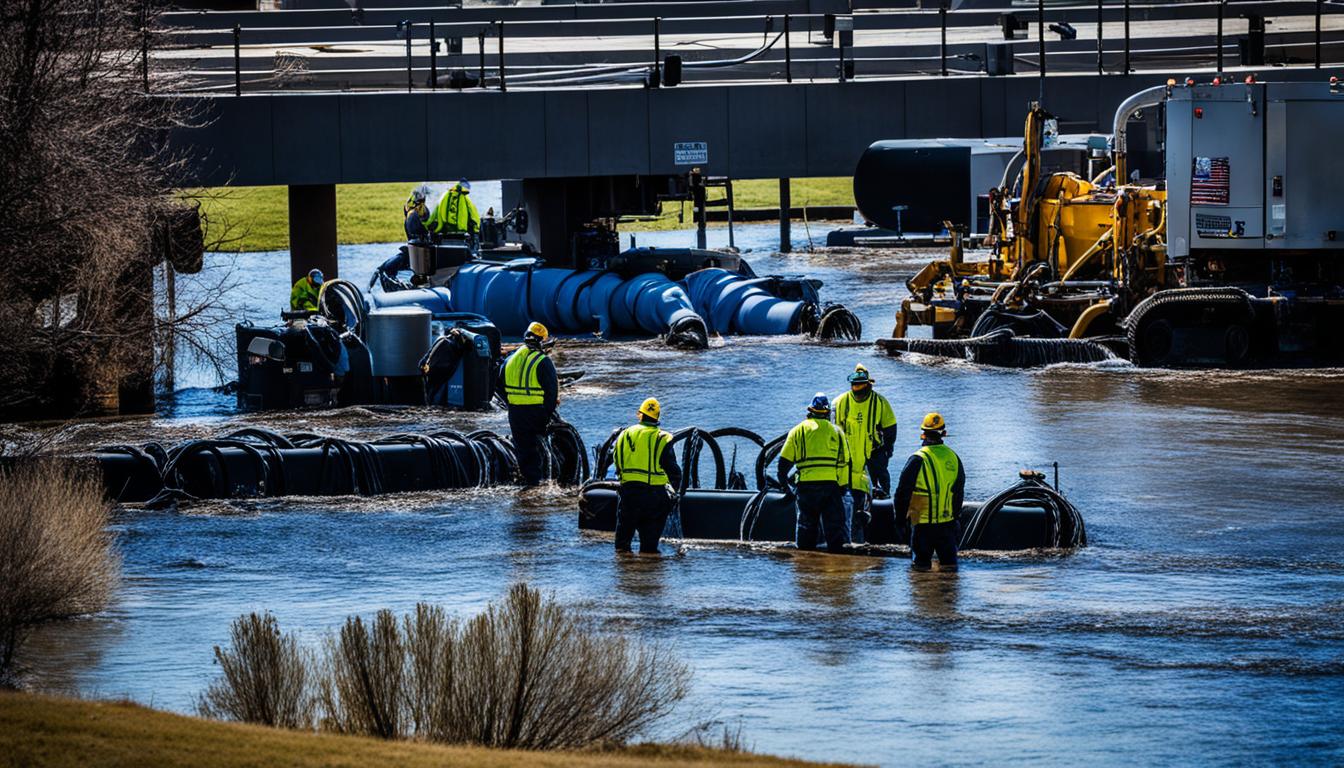
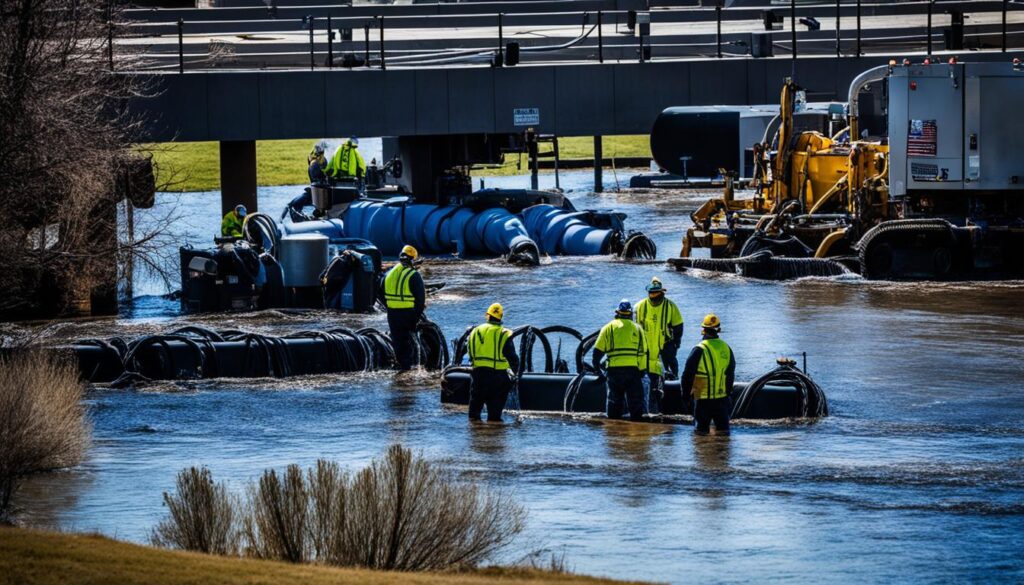
When we arrive, we start with sewage extraction and then move through cleanup, repairs and restoration, in that order.
- Extraction. We begin with sewage removal and extraction so the standing wastewater is out of your home.
- Finding hidden wastewater. We check for sewage that has reached hard-to-see areas, so contamination is not left behind.
- Sorting what can be saved. We prioritize the materials and belongings that can be saved and dispose of what cannot.
- Cleanup. Our residential sewage cleanup is aimed at making your home safe again for everyone who lives there, pets included.
- Repairs and restoration. Once removal, cleanup, and repairs are done, we complete the sewage damage restoration.
Water Damage Inc. is an IICRC Certified Firm, and we are licensed, bonded, and insured.
Will Insurance Cover It
Not always. A standard homeowners policy may not cover sewer backup unless you added a sewer backup endorsement, sometimes called a rider. Ask your insurer whether you have that coverage and what limit applies.
Water Damage Inc. works directly with insurance companies. If your claim is denied or the work falls outside your policy, we offer financing options.
Denver Homes and Why Backups Happen
Sewage backups in Denver homes usually happen when something blocks or breaks the line between your drains and the sewer main. Four common causes are:
- Grease, wipes, and other debris that build up inside the pipes
- Tree roots growing into the sewer line, a known issue with aging plumbing in older Denver homes
- Damaged, cracked, or collapsed pipes
- Heavy rain or a surge from the city sewers
We handle sewage cleanup in Denver and the surrounding metro area. If the water in your home is floodwater rather than sewage, read How Does Professional Flood Cleanup Work?
Call Water Damage Inc. Now
Call Water Damage Inc. at (303) 731-1200 if sewage is backing up in your home. We offer 24/7 emergency sewage cleanup and free estimates from a locally and family-owned company serving Denver since 2018. To plan cleanup after the backup stops, you can also contact us online.
Sewage Backup FAQ
Is it safe to stay in the house during a sewage backup?
It can be, if the sewage is limited to one area and everyone stays out of it. Leave if sewage is spreading into living areas or reaching outlets or the electrical panel.
Can I clean up sewage myself?
No. Raw sewage carries bacteria, viruses, and parasites and contaminates every surface it touches, so sewage cleanup should be handled by a trained, equipped crew.
Should I turn off the power?
Only if you can do it safely. Turn off power to the affected area if the breaker panel is dry and you can reach it without stepping in water or sewage. Otherwise, leave it and tell the crew.
What can be saved and what has to be thrown away?
Porous materials that soak up sewage usually cannot be saved, including carpet and padding, drywall, insulation and upholstered furniture. Hard, nonporous items may be cleanable.
Does homeowners insurance cover sewage backup in Colorado?
It depends on your policy. A standard homeowners policy may not cover sewer backup unless it includes a sewer backup endorsement. If your claim is denied, we offer financing.
Who is responsible for a sewer backup, me or the city?
It depends on where the blockage is. In Denver, the city is responsible only for the main public sewers, and the service line from your home to the main is generally the owner’s responsibility.
How soon should I call?
Call as soon as you notice the backup. Wastewater keeps spreading and soaking into materials while it sits, and moisture left behind can lead to mold. Read How Long Does It Take for Mold to Develop After a Flood?.
Get a Safe Cleanup Started Today
Stop using water, keep everyone out of the affected area, and call Water Damage Inc. at (720) 743-5781. You can learn more about our sewage services before the crew arrives.