





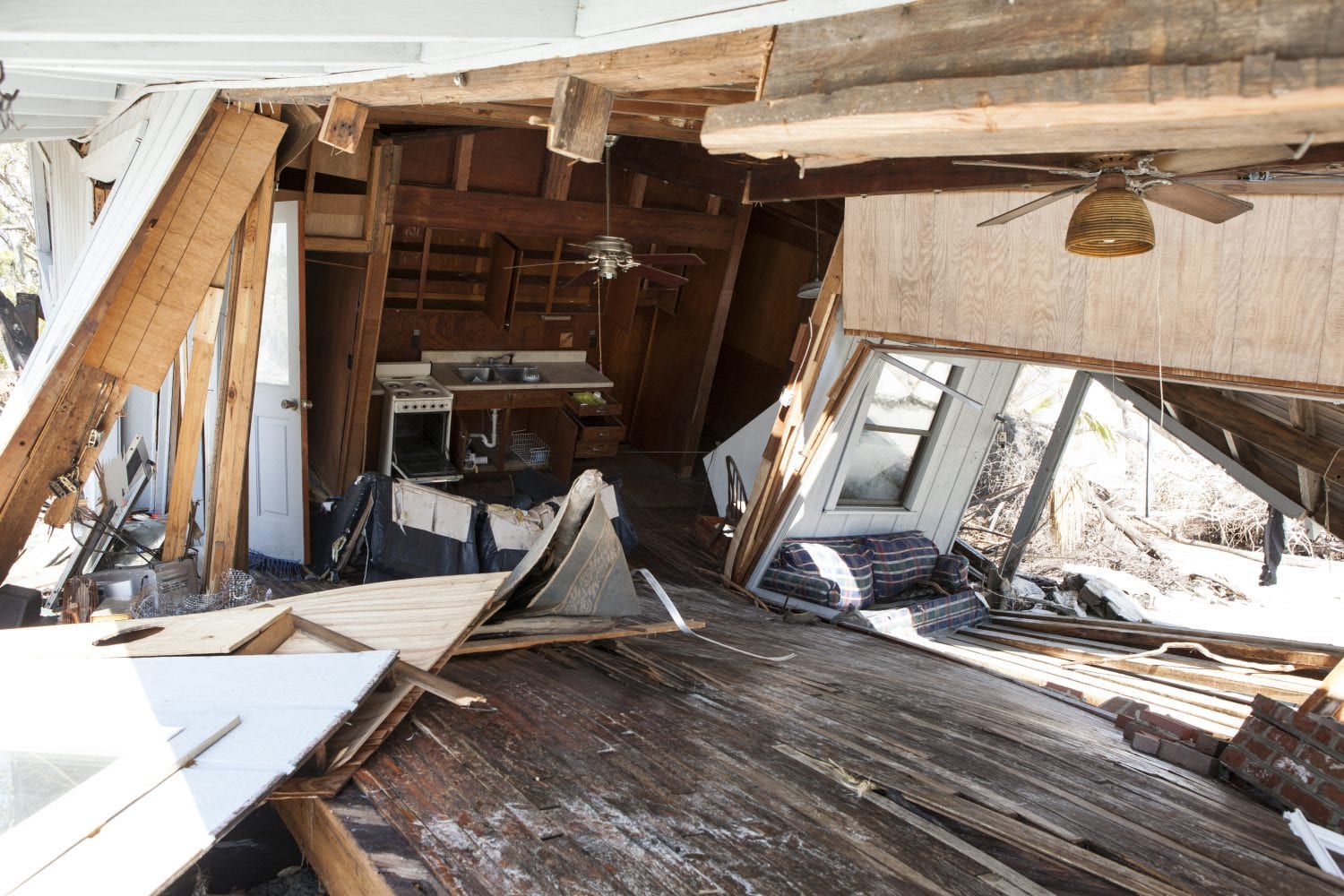
After a flood, the aftermath can be overwhelming. One major concern is mold growth. It’s important for homeowners and businesses to know how fast mold can grow after a flood.
Mold can start growing as quickly as 24 to 48 hours after a flood. This is because floods create moist and humid conditions. These conditions are perfect for mold spores to grow.
Mold not only damages property but also poses health risks. It’s a big problem for people with breathing issues or weak immune systems. So, it’s key to act fast to prevent mold growth.
By understanding how mold grows after a flood, we can take steps to stop it. This helps protect our health and property from mold damage.
Key Takeaways
- Mold can begin to develop within 24 to 48 hours after a flood.
- Moist and humid conditions post-flood create an ideal environment for mold growth.
- Mold poses health risks, specially to those with respiratory conditions or weakened immune systems.
- Rapid remediation efforts are essential to prevent extensive mold damage.
- Understanding mold formation time post-flood is critical for effective prevention and mitigation.
Mold Growth Timeline After a Flood
After a flood, the perfect conditions for mold growth appear. Knowing the mold growth timeline is key to stopping damage before it gets worse.
Initial Activation (0-24 Hours): In the first 24 hours, mold spores start to grow when they find moisture. Quick drying in this time can stop mold from spreading.
Early Germination (24-48 Hours): As time goes on, spores start to grow more. At this point, mold forms tiny structures that are hard to see. It’s important to keep an eye on the environment to control it.
Visible Colonies (3-21 Days): Soon, mold patches become visible on surfaces in 3 to 7 days. By 21 days, mold colonies are fully grown, showing how fast mold can spread.
Factors Affecting Mold Development After Flooding
Several key factors influence mold development after flooding. Moisture Levels play a big role. Mold grows well when humidity is over 60%. It grows best when humidity is above 70%. This is why controlling moisture is key to stopping mold.
The temperature of an area also affects mold growth. Most molds grow best between 60-80°F. This is close to the temperature in most homes. This range helps mold spread fast to any surface it can find.
Mold needs organic material to grow. Things like wood, drywall, and paper give mold the nutrients it needs. These materials are common in buildings, making them more likely to get mold after flooding.
Time is also important for mold growth. The longer mold spores are in good conditions, the more likely they are to grow into visible colonies. Quick action and effective cleaning are needed to stop mold. By managing Moisture Levels, temperature, and dealing with organic material right away, you can lower the chance of mold.
Conclusion
Knowing how mold grows after flooding is key for homeowners and restorers. Mold can start to grow in 24 to 48 hours after flooding. This means quick action is needed to stop mold and damage.
Moisture, temperature, and air flow all affect how fast mold grows. Understanding these helps people take steps to prevent mold after flooding. Drying well, using good ventilation, and getting professional checks early on are important.
Knowing what causes mold and acting fast can protect against big damage. With the right care and quick action, mold risks can be lowered. This makes homes and workplaces safer and healthier.
Restore & Renew with Water Damage Inc. in Denver, CO
Water damage? Mold? Don’t wait—Water Damage Inc. offers fast response, precise remediation, and compassionate service to bring your Denver home back to pre-loss condition. Contact us now for emergency support and a free estimate!