






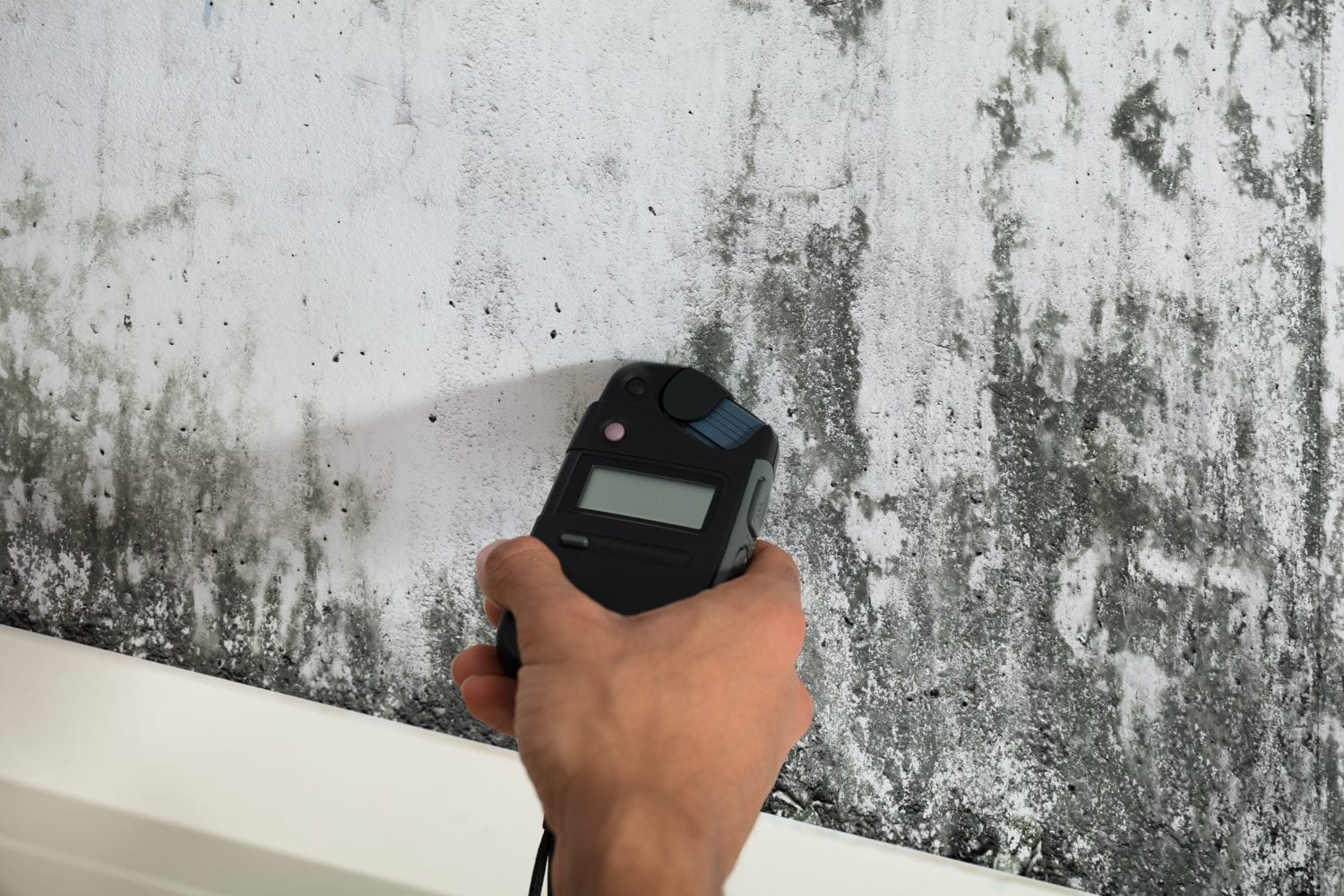
Many Denver homeowners wonder what happens if black mold is left untreated. They might think a small stain on drywall is no big deal. But, even a small patch can hide a bigger problem in walls and ceilings.
Black mold, also known as Stachybotrys chartarum, loves to grow on drywall, wallpaper, wood, and more. It spreads through the air, coming in through windows, doors, and even pets. When it finds moisture, it can grow fast, turning a small spot into a big problem.
Ignoring mold can harm the air we breathe. Spores and fragments can carry toxins, leading to allergies and asthma. For people with weak immune systems, the risks are even higher. Mold can also damage walls, wood, and insulation, making repairs expensive and complicated.
Just painting over mold doesn’t solve the problem. Moisture, like in bathrooms or basements in Denver, helps mold spread. That’s why getting rid of mold is so important. If left untreated, mold can cause serious damage and health issues, leading to high costs.
Key Takeaways
- Black mold can start growing within 24–48 hours on wet drywall, wallpaper, wood, and insulation.
- Airborne spores from windows, doors, pets, and vents sustain indoor mold dangers even after surfaces look clean.
- Untreated mold effects include worsened allergies and asthma, with higher risks for vulnerable people.
- Black mold consequences extend to structural damage that raises repair costs and complexity.
- Condensation and humidity ≥70% in bathrooms and basements drive the mold growth impact.
- Painting over stains fails; source control and safe cleanup show clear mold remediation importance.
- Mold abatement and mitigation may be needed, contact a local professional such as Water Damage Inc. today
Health risks and symptoms linked to untreated black mold exposure
Black mold releases spores and fragments that move through indoor air and settle on dust. People inhale or touch them without noticing, which explains why mold exposure symptoms can appear even when no growth is visible. Those with asthma, allergies, or weak immunity feel the effects sooner, highlighting the scale of indoor Denver mold dangers in everyday spaces.
Early signs often look like a cold or hay fever. Common complaints include sneezing, a runny or stuffy nose, watery or itchy eyes, a sore throat, and a dry or tickly cough. Skin can itch or develop a light rash, and nasal congestion may linger. These black mold health risks tend to worsen with prolonged contact and poor ventilation.
- Higher-risk groups: infants and children, older adults, people with COPD, cystic fibrosis, or severe allergies, and anyone with weakened immunity.
- Typical mold exposure symptoms: sneezing, congestion, watery eyes, throat irritation, cough, wheeze, and itchy skin.
- Escalation signals: chest tightness, breathing trouble, persistent fatigue, headaches, and recurring infections tied to damp spaces.
These patterns show how black mold health risks intersect with personal sensitivity, dose, and time. Recognizing subtle mold exposure symptoms early reduces indoor mold dangers and helps limit long-tail untreated mold effects on the lungs, skin, and overall well-being.
What happens if black mold is left untreated in Denver?
In damp rooms, spores quickly take hold. Within 24–48 hours after a leak or flood, they spread fast. They grow behind walls, under wallpaper, and across ceiling tiles.
This rapid growth pushes into ductwork, basements, bathrooms, showers, and window frames. It turns small patches into widespread clusters. These clusters are hard to reach and stop.
As growth continues, indoor air loads climb. Musty, earthy odors signal rising spores and mVOCs. These odors linger day and night.
The result is a steady exposure burden. It leads to wheezing, sneezing, and asthma flare-ups. These are clear indoor mold dangers that increase with time and proximity.
Materials do not escape. Drywall, wood framing, paper-faced insulation, and cardboard feed the spread. After more than 48 hours of wetting, many surfaces become unsalvageable.
Repairs expand from spot fixes to full removal and replacement. This pattern shows the black mold consequences for budgets and timelines.
Damp cycles keep the problem alive. Leaky pipes or gutters, poor ventilation, high humidity, and cold, uninsulated surfaces create recurring condensation. Without fixing these sources, reinfestation follows even after wiping visible spots.
- Mold testing is an important step, but all mold growths should be removed, experts advise.
- Painting or caulking over stains traps moisture and leads to blistering and return growth.
- Uncontained DIY efforts can aerosolize spores, spreading colonies to clean rooms.
The ripple effects are not just personal. Untreated dampness and mold add to healthcare burdens in the United States. They show how indoor mold dangers translate into missed work, clinic visits, and higher costs.
Taken together, the mold growth impact is cumulative. It includes fast spread in hidden spaces, rising exposure indoors, and mounting damage to materials. For anyone asking what happens if black mold is left untreated?, the pattern is clear—more moisture, more colonies, and more risk with every day of delay.
Conclusion
Black mold doesn’t disappear on its own; it grows where moisture is present. This leads to more spores, stronger smells, and health issues like irritated eyes and breathing problems. The risks are higher for young kids, older adults, and those with asthma or weak immune systems.
Ignoring mold can also cause structural damage. Drywall, wood, and insulation can deteriorate, increasing repair costs. Simply painting over mold or waiting for test results won’t solve the problem. Effective action involves stopping water leaks, drying the area quickly, and using safe cleaning methods or professional services when necessary.
There have been tragic cases where mold was not addressed in time. In the UK, a policy was introduced after a young man’s death due to mold. This policy shows the importance of acting fast to prevent mold-related health issues. Buildings in the US face similar challenges if mold is not treated promptly.
The key is to act quickly when mold is found. Fix any leaks, control humidity, and use proper protective gear for small areas or seek professional help for bigger ones. Keeping humidity below 50%, improving ventilation, and drying wet materials fast are essential. These steps help maintain good air quality, save money, and highlight the importance of mold remediation in every Denver home.
Restore & Renew with Water Damage Inc. in Denver, CO
Water damage? Mold? Don’t wait—Water Damage Inc. offers fast response, precise remediation, and compassionate service to bring your Denver home back to pre-loss condition. Contact us now for emergency support and a free estimate!