






If you are reading this after a fire in your Denver home, we are sorry you are going through it. The fire is out, your family is safe, and that matters most.
The next part is something many homeowners do not expect. The water used to stop the fire is now in your floors, walls, and ceilings, sometimes in rooms that never saw a flame. This guide explains why that water matters, what you can do first, and how cleanup works, in plain terms.
What Happens to the Water After a House Fire?
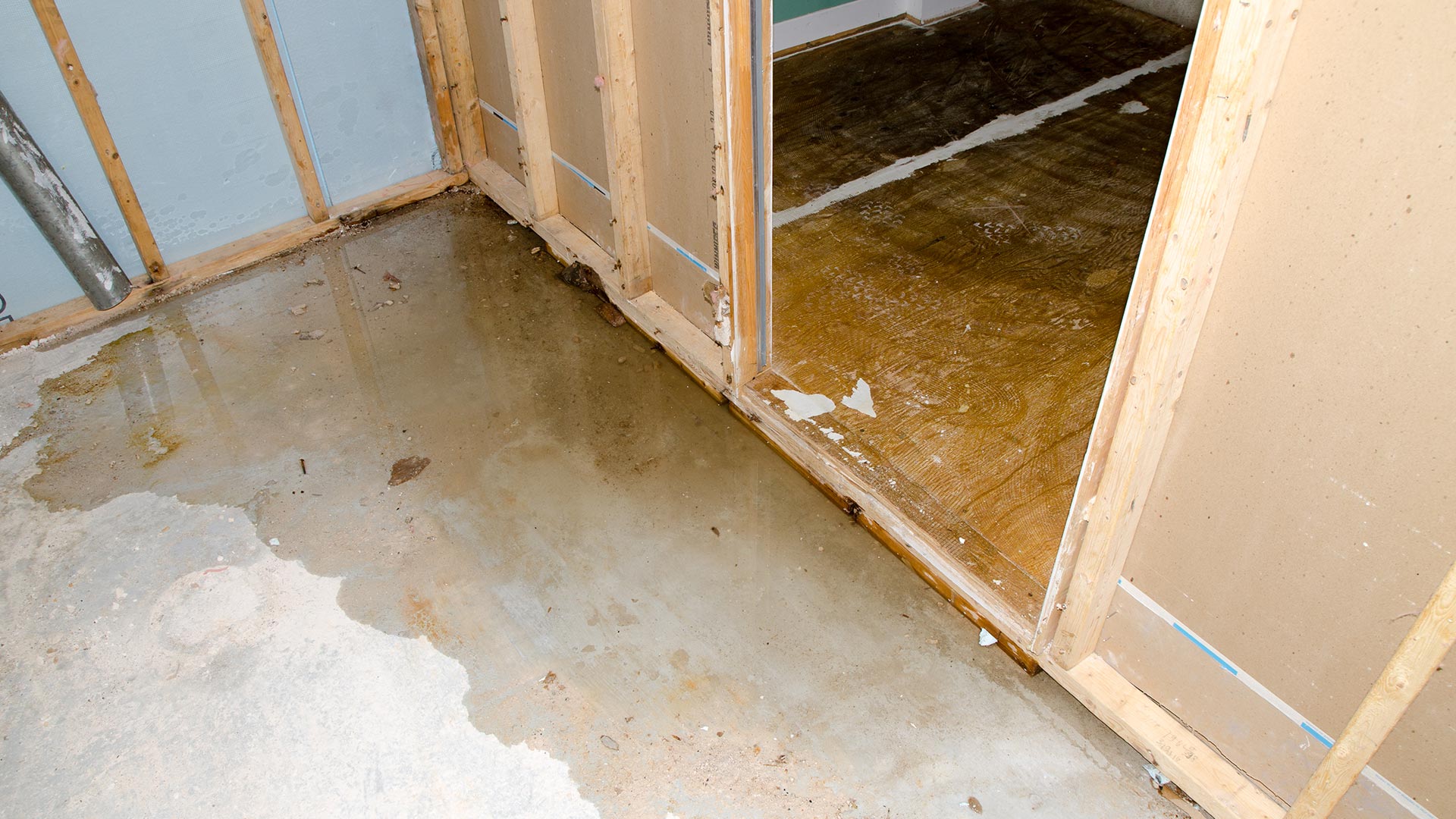
After a house fire, the water used to put it out soaks into floors, walls, ceilings, and belongings, often in rooms the fire never reached. Mixed with soot, it spreads stains and residue, and wet materials can start growing mold within a day or two. Start drying and soot cleanup together as soon as the home is cleared for entry.
Restoration companies call this secondary damage, because it comes from putting out the fire rather than from the fire itself. It is a normal part of almost every fire, and it can be handled when it is addressed early.
Where All That Water Comes From
Most of the water in a home after a fire comes from fire hoses. Firefighters may use hundreds to thousands of gallons on a single house fire; ServiceMaster, a national restoration company, cites an average of about 3,000 gallons. The amount depends on the size of the fire and how long it took to put it out.
Hoses are not the only source. Water can also come from:
- Fire sprinkler systems, if the home has them
- Water lines that burst or melt in the heat
- Rain or snow coming through a roof or windows opened to vent the fire
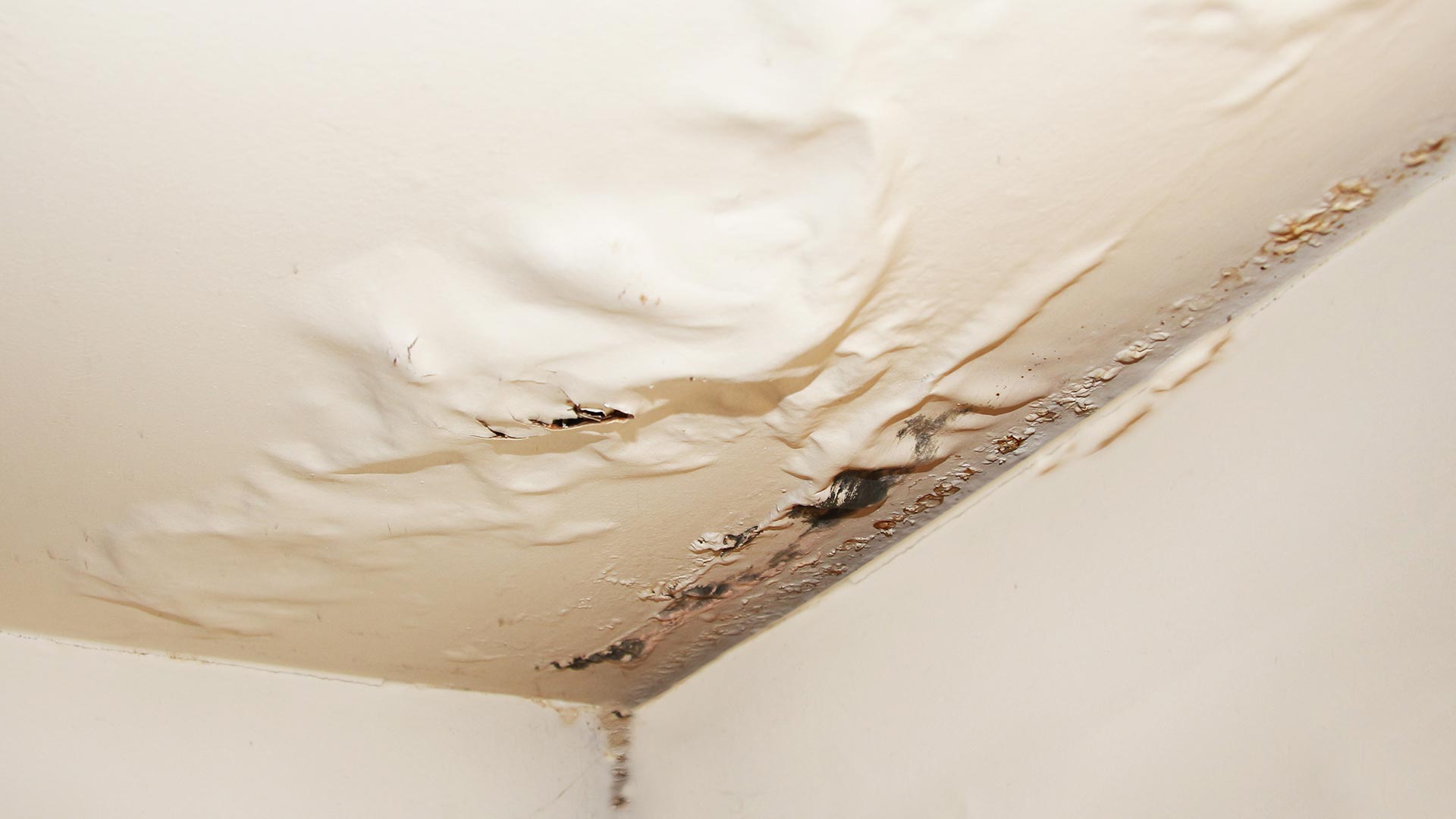
Once it is inside, water follows gravity. It runs through ceilings to the floors below, collects in the basement, and soaks into carpet and pad, drywall, insulation and subfloors. That is why a fire in one room can leave water damage across the whole house.
Why Soot and Water Together Make Cleanup Harder
Soot and water together are harder to clean than either one alone. Dry soot can often be lifted off a surface, but wet soot smears and spreads. It can stain paint, grout, wood and fabric and set into them if it is left too long.
The water itself is no longer clean, either. As it moves through the house, firefighting water picks up soot, ash and debris from burned materials. It needs to be handled with more care than water from a clean supply line.
Drying and cleaning also have to happen together. If a wall is dried without the soot being cleaned off, the residue and smoke odor can stay locked into the surface. For the full picture of how smoke and soot are cleaned, read what to expect from fire and smoke damage restoration, or see our fire damage restoration in Denver services.
Safety First When You Go Back In
Do not go back into your home until the fire department says it is safe. A house that has been through a fire and then soaked with water can have hazards you cannot see from the doorway.
Once you are cleared to enter, move slowly and watch for:
- Sagging or wet ceilings, which can be heavy with water and may fall
- Soft or weakened floors and stairs
- Standing water near outlets, cords, or appliances
- Damaged wiring or a burning smell from outlets or panels
Do not use wet appliances or electronics, and do not turn on ceiling lights or fans in a wet ceiling. Wear gloves and a mask when you handle anything covered in soot. If the electrical system was damaged, do not stay in the home until a licensed electrician says it is safe.
What You Can Do Before Help Arrives
Once the fire department has cleared you to enter, a few simple steps can limit the damage while you wait for help:
- Call your insurance company. Report the fire and ask about temporary housing if the home is not livable.
- Photograph and video every room. Do this before you move or remove anything, so you have a full record for your claim.
- Open windows and doors if the weather allows. Fresh air helps moisture leave the house.
- Prop open cabinets, closets, and drawers. This lets air reach the damp spaces inside them.
- Lift furniture off wet floors. Place aluminum foil or wood blocks under the legs to keep stains and moisture from wicking up.
- Move wet area rugs to a dry spot. Lifting them off the floor helps both the rug and the floor underneath.
Keep receipts for anything you pay for, including hotel stays and meals.
What Not to Do
Some common cleanup instincts can make fire and water damage worse. Avoid these:
- Do not use a household vacuum on water or wet soot. It is not built for either and can spread residue or create an electrical hazard.
- Do not scrub soot on wet surfaces. Scrubbing pushes it deeper into the material.
- Do not throw items away before they are documented. Your adjuster may need to see them.
- Do not stay in a home with a damaged electrical system, even if the lights still work.
How Professionals Handle Fire and Water Damage Together
Professional fire and water damage cleanup follows a set order, so that drying and soot cleaning support each other instead of working against each other. Here is what that process usually looks like.
Inspection and moisture readings. The team walks the home, notes fire, smoke and water damage, and uses moisture meters to find where the water has traveled, including inside walls and under floors.
Water extraction. Standing water is pumped and extracted from floors, carpet, and the basement. Our team provides water removal as the first step in drying a home.
Removal of materials that cannot be saved. Soaked insulation, carpet pad, ceiling tiles, and saturated drywall are often removed so the structure underneath can dry.
Structural drying. Air movers and dehumidifiers dry the framing, subfloors, and walls, with moisture readings taken until the materials are dry. This is the core of water damage restoration.
Soot and smoke cleaning. Surfaces are cleaned of soot and smoke residue, ideally as they dry rather than after.
Antimicrobial treatment. Treating damp areas helps keep mold from taking hold while the home dries.
Odor removal. Smoke odor is addressed once the structure is clean and dry.
Contents cleaning or pack-out. Belongings may be cleaned on site or packed out and cleaned elsewhere.
Rebuild. Once the home is clean and dry, removed materials are replaced and damaged areas are repaired.
Why Mold Is a Real Risk After a Fire
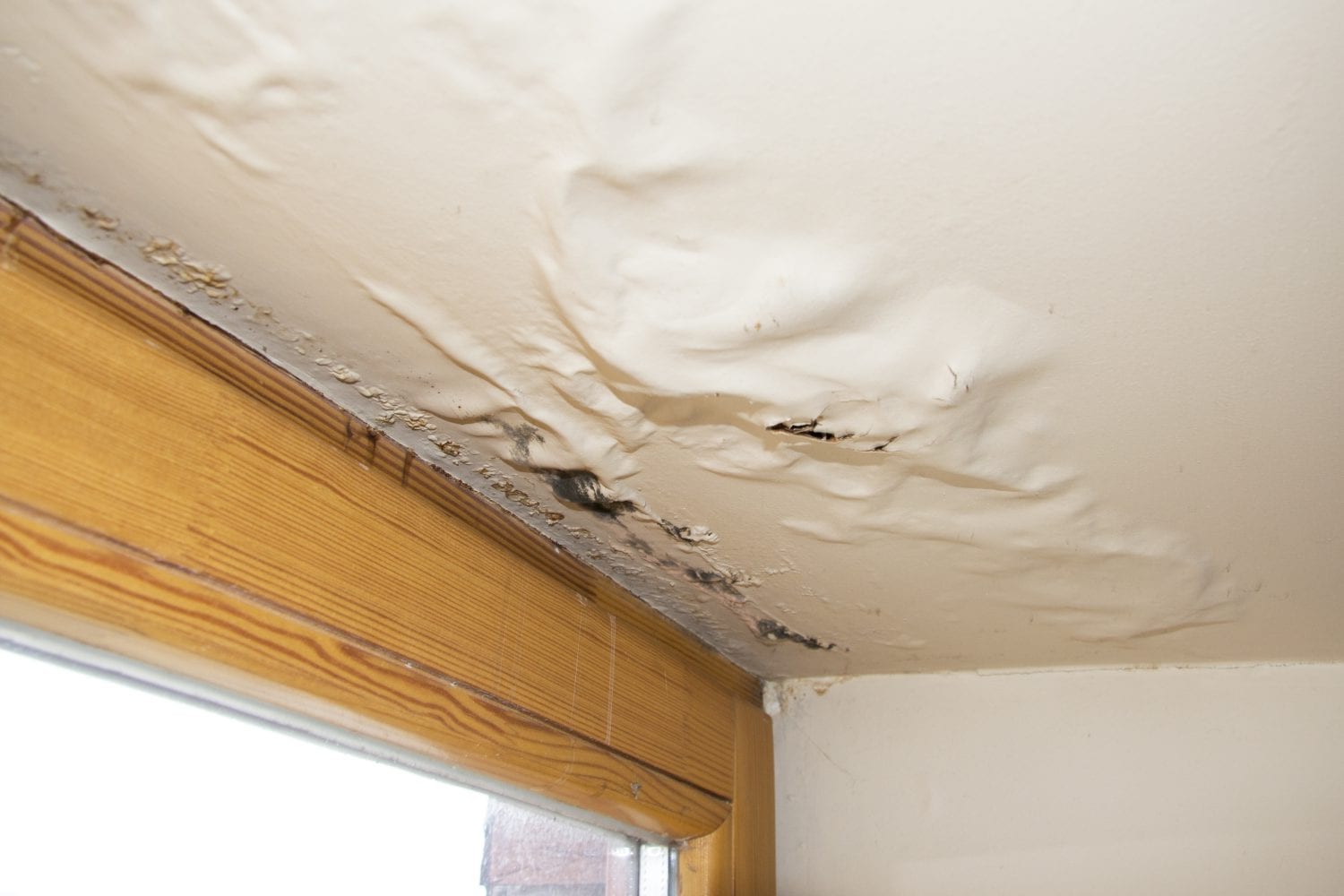
Mold is a real risk after a fire because firefighting water leaves wet materials behind. Restoration industry sources commonly note that mold can begin growing within 24 to 48 hours in wet drywall, wood, and carpet. That is why drying needs to start as soon as the home is cleared.
Keeping indoor humidity low helps; PuroClean, a national restoration company, recommends keeping it below 50 percent. Watch for these signs in the weeks after a fire:
- A musty smell that does not fade as the smoke odor is cleaned
- Discoloration or spotting on walls, ceilings, or floors
- Allergy-like symptoms that get worse when you are in the house
If you notice any of these, learn the signs of hidden mold after a water leak or schedule mold testing.
What Can Be Saved and What Usually Can’t
Many things in a home can be saved after a fire if they are dried and cleaned quickly. The final decision on each item is made on site, but here is a general guide.
Often saved with prompt drying and cleaning:
- Hard surfaces such as tile, stone, metal, and glass
- Solid wood furniture
- Many clothes and other textiles
Often replaced:
- Soaked insulation and carpet pad
- Ceiling tiles and saturated drywall
- Particleboard furniture and cabinets
- Porous items with heavy soot
Repairs after a fire often include ceilings, drywall, wood, carpet, electrical work, and caulk and seals. The sooner drying and cleaning start, the more you are likely to keep.
Does Insurance Cover Water Damage From Firefighting?
Water used to put out a covered fire is typically handled as part of the fire claim, but coverage varies from policy to policy. Call your insurer to confirm what your policy includes.
A few things help the claim go smoothly:
- Ask about additional living expenses if you cannot stay in the home.
- Let the adjuster see the damage before materials are removed, or make sure it is fully photographed first.
- Keep a list of damaged items and every receipt.
We work directly with insurance carriers and can help you document the damage. For work that falls outside your coverage, we offer financing options through Hearth.
Winter Fires in Denver: Extra Steps
A fire during a Denver winter can add freezing to the list of problems. If the house has no heat after the fire, the water left from firefighting can freeze, and ice can do its own damage to floors, walls, and pipes.
A fire can also knock out the furnace, which leaves the rest of the plumbing at risk of freezing. If it is safe to do so, keep the heat on or use temporary heat in undamaged areas, and ask a licensed plumber about shutting off and draining the water if the home will sit empty. Our guide to frozen pipes covers the warning signs.
Fire and Water Damage Restoration in Denver from Water Damage Inc.
When a fire leaves water behind, it helps to have one team handle both. Water Damage Inc. is a locally and family-owned restoration company that has served Denver since 2018, and we handle both fire damage restoration in Denver and water damage cleanup, so drying and soot cleaning can be planned together.
We are an IICRC-certified firm. We offer 24/7 emergency service and free estimates, and we work with all insurance carriers.
Call us at (303) 731-1200 or contact our team to get started.
Frequently Asked Questions
How much water do firefighters use on a house fire?
It depends on the size of the fire and how long it burns, but it can range from hundreds to thousands of gallons. ServiceMaster, a national restoration company, cites an average of about 3,000 gallons per house fire. That water spreads beyond the burned area into ceilings, lower floors, and the basement.
Can I remove the water myself after a fire?
You can take small steps once the fire department clears the home, such as opening windows, lifting furniture, and moving wet rugs. Removing the water and drying the structure is a different job. Firefighting water carries soot and debris, and drying walls without cleaning them can lock in residue and odor, so professional help is the safer choice.
How soon can mold grow after a fire?
Restoration industry sources commonly note that mold can start growing within 24 to 48 hours in wet drywall, wood, and carpet. That is why drying should begin as soon as the home is cleared for entry. Keeping humidity low and removing soaked materials quickly helps lower the risk.
Is everything that got wet ruined?
No. Hard surfaces, solid wood furniture, and many textiles can often be saved with prompt drying and cleaning. Soaked insulation, carpet pad, ceiling tiles, saturated drywall, and particleboard are more often replaced. Each item is judged on site, and the sooner drying starts, the more can usually be saved.
Does homeowners insurance cover water damage from putting out a fire?
In most cases, water used to put out a covered fire is handled as part of the fire claim. Coverage still varies by policy, so confirm with your insurer. Ask about additional living expenses, keep receipts, and let the adjuster see the damage or full photos before materials are removed.
How long does it take to dry out a house after a fire?
It depends on how much water was used, which materials got wet, and how quickly drying started. Drying is not finished when surfaces feel dry; moisture readings confirm when the framing, subfloors, and walls are dry. Your restoration team can give you a timeline after the first inspection.