





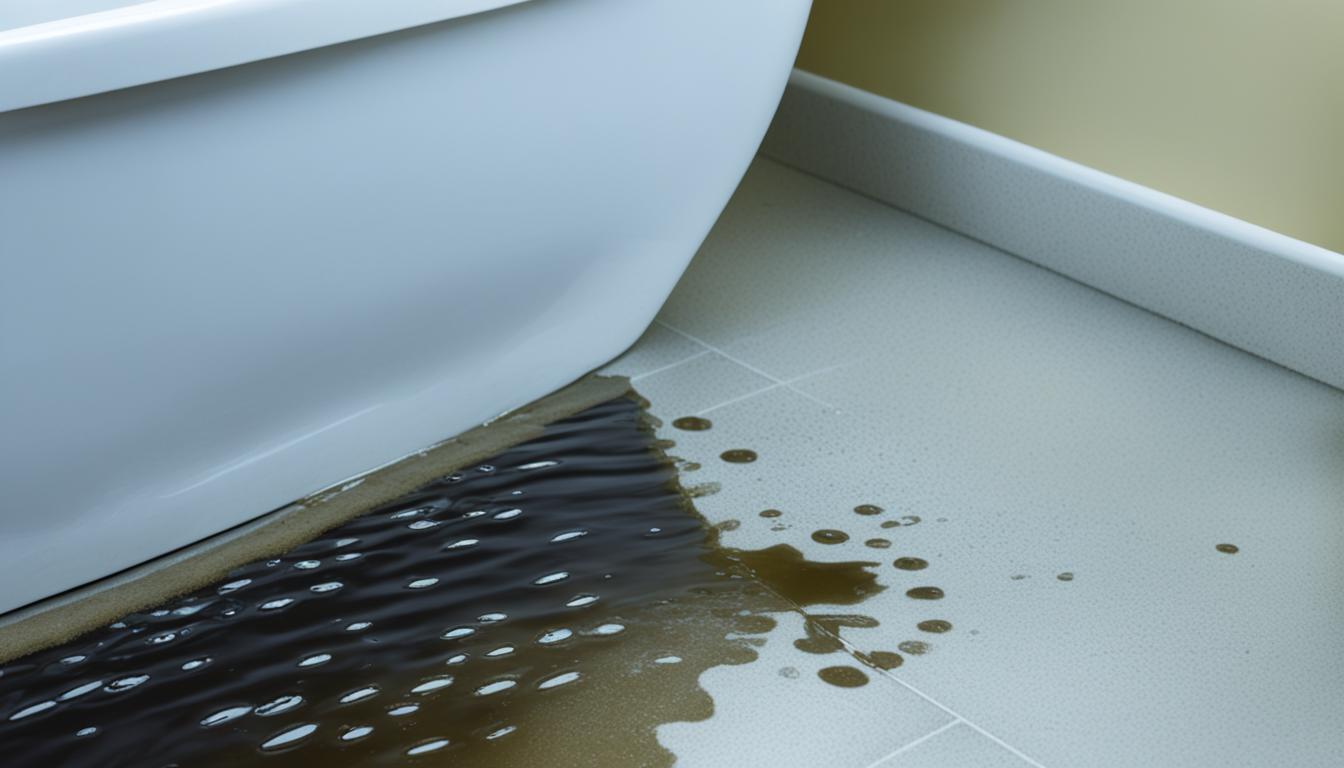
Sewage backup is a stressful event that can make you uncomfortable and even harm your health. Many wonder: is it safe to live in a house after sewage backup? The safety depends on how bad the contamination is and how quickly it’s fixed. Sometimes, you need to leave the house right away to avoid getting sick.
People who are more vulnerable, like kids and the elderly, should be extra careful. Getting help from experts and doing a deep clean is key to making your home safe again. This helps lower the health risks after sewage backup.
Key Takeaways
- Sewage backup can lead to serious health concerns due to exposure to harmful pathogens.
- Immediate evacuation may be necessary, especialy for vulnerable populations.
- Professional cleanup services are essential for thorough contamination removal.
- Restoration includes not only cleaning but also addressing possible structural damage.
- Timely intervention can significantly reduce health risks and property damage.
Understanding the Causes and Risks of Sewage Backup in Denver
Sewage backup is a serious problem that can harm Denver homes and health. It’s important to know the sewage backup causes, spot the signs of sewage backup, and understand the health risks of sewage backup. Denver homeowners need to act fast to protect their homes and health.
Causes of Sewage Backup
Many things can cause sewage backup:
- Clogged Pipes: Debris, grease, or objects can block pipes, causing backflow.
- Heavy Rainfall: Too much rain can overwhelm drainage systems, leading to backups.
- Infrastructure Failures: Old sewer systems, tree roots, and pipe collapses can also cause backups.
Health Hazards Associated with Sewage Backup in Denver, CO
The health risks of sewage backup are serious. Sewage water contains harmful bacteria and viruses. These can cause:
- Gastrointestinal Illnesses: Drinking contaminated water or eating contaminated food can lead to stomach problems.
- Respiratory Infections: Breathing in sewage pathogens can cause infections like bronchitis and pneumonia.
- Skin Infections: Touching sewage can cause skin rashes, infections, and dermatitis.
Signs You’re Experiencing a Sewage Backup in Denver, CO
It’s key to know the signs of sewage backup to act quickly:
- Foul Odors: Bad smells from drains or sewage lines mean there’s a blockage.
- Gurgling Drains: Strange sounds from sinks and toilets signal a possible backup.
- Water Backflow: Water flowing back into sinks, tubs, or floors is a serious sign of a problem.
Acting fast can stop health risks and prevent property damage.
Sewage Backup Cleanup Procedures in Denver, CO
Dealing with a sewage backup requires careful steps to keep your Denver home safe and restored. Knowing the right steps can help avoid risks and keep your home safe.
Initial Safety Measures
First, make sure the area is safe before starting cleanup. Turn off electrical power, open windows for air, and wear gloves and masks. Containing the area stops contaminants from spreading.
Professional Cleanup Services and Equipment
It’s important to get professional help for a thorough clean. Experts use special tools to remove sewage and water. They also check the damage to decide what tools are needed.
Odor Removal Services
After cleaning up, getting rid of smells is key. Odor removal services use strong deodorizers and air scrubbers. This makes your Denver home smell fresh and clean again.
Restoration After Sewage Cleanup
The last step is fixing your home after the cleanup. This includes repairing and rebuilding damaged parts. It makes sure your Denver home is safe and looks good again. You might need to replace drywall, flooring, and more.
Is it safe to live in a house after sewage backup in Denver?
When a home has a sewage backup, safety and health are top concerns. Knowing when to leave and the health risks helps Denver homeowners deal with this danger.
When to Evacuate
Leaving the house is often the first step in safety. Sewage and contaminated water can cause serious health problems. It’s best to wait until experts say it’s safe to go back.
Health Risks of Staying After a Sewage Backup
Staying in a house after a sewage backup can be risky. The water can lead to infections, breathing problems, and stomach issues. Bacteria, viruses, and parasites are common culprits. Mold, which grows quickly, can also harm your lungs, worse for those with health issues.
Criteria for Returning Home Safely in Denver
Before going back home, several things must be done. All contaminants must be removed, and the area must be decontaminated. Good air flow is key to get rid of smells and germs. A professional must check the house to make sure it’s safe. Following safety tips can reduce health risks and make your Denver home safe again.
Conclusion
It’s important for Denver homeowners to understand the dangers of sewage backups. Knowing the signs and acting fast can help a lot. By following good prevention tips, you can keep your home safe and healthy.
Sewage backups are more than just a hassle; they can be very harmful to your health and damage your Denver home. Getting the right insurance is key. It can help cover the costs of cleaning up and fixing your home.
Knowing when to call in the pros for sewage backup cleanup is also vital. Professional services have the tools and know-how to clean up quickly and safely. This way, your Denver home can be safe and healthy again. Being proactive and prepared helps you deal with sewage backup problems better.
Restore & Renew with Water Damage Inc. in Denver, CO
Water damage? Mold? Don’t wait—Water Damage Inc. offers fast response, precise remediation, and compassionate service to bring your Denver home back to pre-loss condition. Contact us now for emergency support and a free estimate!