





Is mold hiding in your Denver home, threatening your health and safety? Finding and fixing mold after water damage is key for your home’s safety and your health. Mold can cause allergies, breathing problems, and serious health issues. So, it’s important to act fast and do it right.
To tackle mold from water damage, you need more than just a quick clean. The Centers for Disease Control and Prevention (CDC) says quick and complete action can reduce health risks and stop mold from spreading. The Environmental Protection Agency (EPA) also points out steps you can take right after water damage to stop mold.
Key Takeaways
- Mold can pose serious health risks, including allergies and respiratory issues.
- Immediate actions are critical to prevent mold after water damage.
- Understanding mold causes helps in effectively handling the problem.
- Statistics show a high prevalence of mold in water-damaged Denver homes.
- Following CDC and EPA guidelines is essential for safe mold removal.
Understanding the Causes and Risks of Mold from Denver Water Damage
Mold grows well in damp places, making Denver homes at risk when water damage happens. Common causes of mold include leaks from roofs or plumbing, flooding, and high humidity. If these issues aren’t fixed quickly, mold can spread, causing big problems for health and property.
The risks of mold exposure are known by groups like the Environmental Protection Agency (EPA). Being around mold can lead to breathing issues, worse for people with asthma or weak immune systems. Symptoms can be mild or serious, affecting breathing.
Mold can also harm a building’s structure. It eats away at materials like wood and drywall, making them weak. This damage is expensive to fix and lowers a property’s value.
It’s important to deal with mold from water damage fast to avoid these problems. Regular checks, where moisture is common, can spot issues early. Knowing the causes of mold and the risks of mold exposure helps homeowners protect their health and property.
Step-by-Step Guide to Removing Mold Caused by Water Damage in Denver
Removing mold caused by water damage needs a clear plan. Here’s a guide with effective mold removal steps:
- Identify the Source of Moisture: Find and fix the moisture source before you remove mold from water damage. It might be a leak or condensation. Fixing it stops mold from coming back.
- Contain the Affected Area: Use plastic sheeting to seal off the moldy area. This stops mold spores from spreading. It’s key in cleaning up mold after water damage right.
- Dry Out the Space: Use dehumidifiers and fans to dry the area. Dryness is key to stopping mold growth.
- Clean and Disinfect: Follow EPA guidelines for cleaning. Use cleaners like vinegar or hydrogen peroxide. Scrub well and sanitize all surfaces.
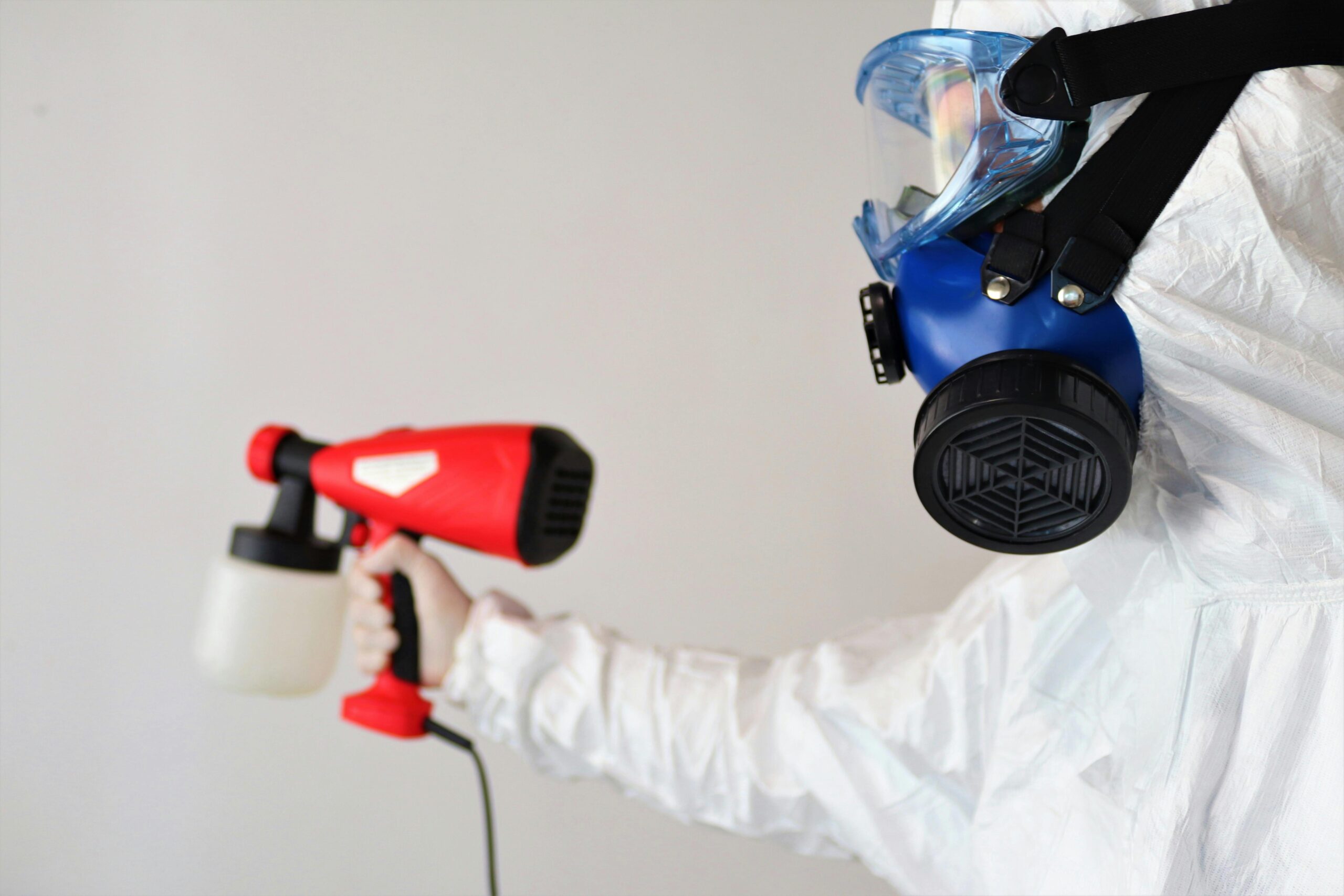
- Protective Equipment: Wear gloves, goggles, and an N95 mask when handling mold. It keeps you safe and helps in effective mold removal steps.
Following EPA guidelines can make cleanup more efficient. By following these steps, you can remove mold from water damage well. This also reduces health risks.
Mold Remediation Techniques and Professional Services in Denver
Dealing with severe mold infestations requires advanced techniques. The first step is to contain the mold to stop it from spreading. This ensures the infestation is managed safely and effectively.
Using HEPA vacuums is a key method to remove mold. These vacuums capture tiny mold spores. Professional services use them to start removing mold particles.
Next, advanced drying techniques are used. Industrial-grade dehumidifiers and air movers reduce moisture. This stops mold from growing further. Keeping humidity low is key because mold grows in damp places.
After drying, antimicrobial treatments are applied. These treatments kill any remaining mold spores. Many services follow IICRC guidelines to ensure these treatments are safe and effective.
It’s wise to get professional help for mold remediation, like when mold gets into building materials or HVAC systems. Professionals do detailed assessments and create plans. They ensure all mold is removed and health risks are avoided.
In short, using professional methods like HEPA vacuuming, drying, and treatments is best. Getting professional services ensures a successful mold removal. It also keeps your living space healthy.
Conclusion
Water damage mold mitigation strategies are key to keeping your Denver home healthy and safe. Knowing how mold from water damage works helps you act fast. Mold is harmful to your health and can damage buildings, so fixing it quickly is important.
Preventing mold starts with regular checks and upkeep. Fixing water leaks or condensation right away stops mold from growing. Getting help from mold removal experts is smart for big problems. The EPA’s guidelines can also help keep your Denver home mold-free.
With the knowledge from this article, you can protect your Denver home and health from mold. Staying alert and using prevention tips keeps your living space safe and healthy. This way, you avoid the dangers of mold caused by water damage.
Restore & Renew with Water Damage Inc. in Denver, CO
Water damage? Mold? Don’t wait—Water Damage Inc. offers fast response, precise remediation, and compassionate service to bring your Denver home back to pre-loss condition. Contact us now for emergency support and a free estimate!